Starbucks Korea just confirmed what every trend-watcher in Seoul already felt in their bones: the “Dubai chewy cookie”—nicknamed Doojjonku (short for Dubai Chewy Cookie)—has officially graduated from local bakery flex to big-brand takeover.
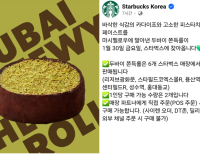
Starting January 30, Starbucks will sell a “Dubai Chewy Roll” in only six stores, with a strict limit of two per person—the kind of rules that don’t calm hype, but practically season it.
Not just a dessert—this is a participation sport
Korea has a special talent for turning “buying a snack” into “joining a moment.” When a trendy dessert meets the franchise playbook—limited locations, limited quantities, in-person ordering—the result is predictable: lines move from indie bakeries to global chains, and the line itself becomes part of the product.
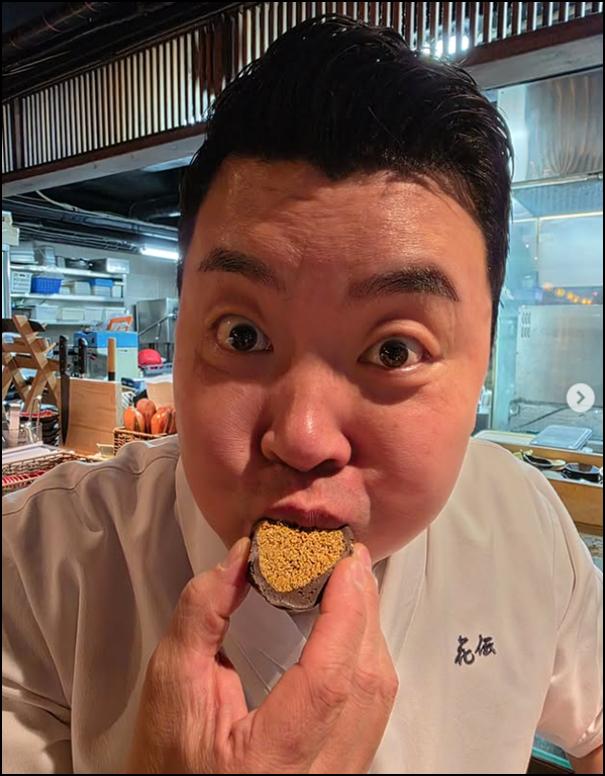
Celebrity chef Jung Ho-young Instagram
A celebrity-chef “I tried it” post? That’s basically rocket fuel
The craze didn’t spread on flavor alone—it spread on proof. Celebrity chef Jung Ho-young posted his own “I tried it” shot and called it the perfect pick-me-up when your energy crashes. In Korea’s trend ecosystem, one well-timed 인증샷 (proof photo) doesn’t just endorse a dessert—it lights the match.
“It keeps popping into my head”—the anatomy of a Korean-style obsession
A university student in her 20s described it with the most dangerous compliment a snack can receive: “I keep craving it.” That’s the whole spell right there—sweetness + nuttiness + dramatic texture contrast.
And here’s the twist: despite the “cookie” label, Doojjonku’s selling point is a texture Koreans already adore—that chewy, springy bite associated with tteok (Korean rice cakes). In one mouthful you get crisp kataifi (shredded pastry), rich pistachio cream, and sticky-sweet marshmallow, creating a “chewy outside, crisp inside” clash that’s basically engineered for repeat cravings—and for those glossy short-form cross-section videos.
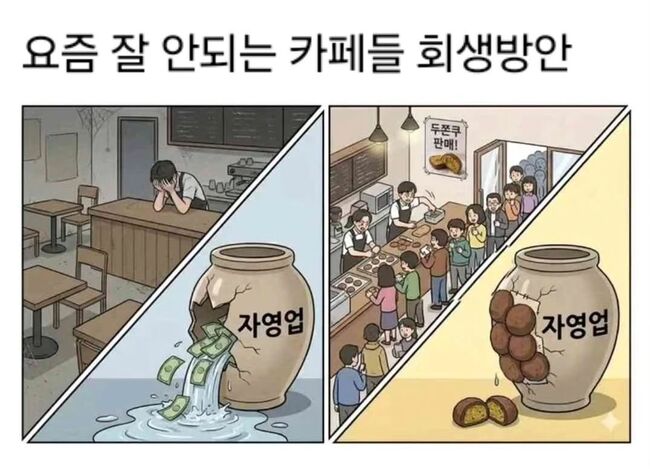
Image showing the Doojjonku craze (internet screenshot)
When even restaurants start making it, you know it’s gone nationwide
Most dessert trends live and die in cafés or bakeries. Not this one. The Doojjonku wave has gotten so intense that even non-dessert restaurants are reportedly jumping in with a “customers keep asking, so we’re making it” attitude. And in a tough economy, the internet is already circulating memes and illustrations about small business owners riding the hype just to stay afloat—equal parts funny and painfully real.
The “sweet cost” of a snack that wants to become your daily habit
There’s a reason people call it an “energy booster.” The structure of this dessert naturally trends high sugar, high calories—pistachio can look wholesome, but once it’s combined with chocolate/cream/marshmallow-style sweetness, blood sugar isn’t exactly whispering. The real risk isn’t one treat; it’s when “once in a while” quietly becomes “every day with coffee.”
What Doojjonku reveals about Korea right now
This isn’t only about dessert—it’s about how trends work in Korea. When big dreams like owning a house or car feel farther away, small luxuries shine brighter. Add Korea’s famously fast trend cycle—quick ignition, faster spread—and you get a perfect storm: personal cravings amplified by short-form media, boosted by celebrity proof shots, scaled by big brands using scarcity marketing, and then copied everywhere until the trend becomes a social phenomenon.
A consumer-trend analyst summed it up bluntly: this is the classic Korean combo of “small luxury” + “scarcity marketing.” And if the big players have entered, the clock is ticking—the next six months will decide whether this is a passing frenzy or a new permanent dessert category.

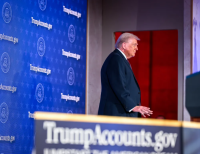
 트럼프, 연준 의장으로 케빈 워시 지명…이익 최대화, 위험 최소화를 겨냥한 노림수
트럼프가 차기 연준(Fed) 의장 후보로 케빈 워시를 지명한 배경에는 세 가지 계산이 깔려 있다. 첫째, 중간선거를 앞두고 주택담보·신용대출 등 ‘체감금리’를 낮춰 경기 기대를 끌어올리려는 의도다. 둘째, 연준 독립성 훼손 우려를 최소화할 ‘내부자 출신’ 카드를 내세워 시장을 달래려 했다. 셋째, 워시가 강조해 온 대차대조표 축소와 운영 규율을 ‘개혁’ 프레임으로 묶어 정책 전환의 명분을 확보하려는 전략이다. 다만 파월 교체를 둘러싼 정치 공방, 인준 과정의 변수, 그리고 시장 변동성 확대가 뒤따를 수 있다. 연준 신뢰가 관건이다.
트럼프, 연준 의장으로 케빈 워시 지명…이익 최대화, 위험 최소화를 겨냥한 노림수
트럼프가 차기 연준(Fed) 의장 후보로 케빈 워시를 지명한 배경에는 세 가지 계산이 깔려 있다. 첫째, 중간선거를 앞두고 주택담보·신용대출 등 ‘체감금리’를 낮춰 경기 기대를 끌어올리려는 의도다. 둘째, 연준 독립성 훼손 우려를 최소화할 ‘내부자 출신’ 카드를 내세워 시장을 달래려 했다. 셋째, 워시가 강조해 온 대차대조표 축소와 운영 규율을 ‘개혁’ 프레임으로 묶어 정책 전환의 명분을 확보하려는 전략이다. 다만 파월 교체를 둘러싼 정치 공방, 인준 과정의 변수, 그리고 시장 변동성 확대가 뒤따를 수 있다. 연준 신뢰가 관건이다.
 금 -10%, 은 -30%대 ‘역사적 폭락’… 왜 하루 만에 붕괴했나? 앞으로 전망은?
2026년 1월 30일(현지) 금과 은이 역사적 급락을 기록했다. 금 현물은 -9.5%로 4,883달러대, 금 선물은 -11.4%로 4,745달러에 마감하며 1983년 이후 최대 낙폭으로 거론됐다. 은은 현물 -27.7%, 선물은 -31% 수준까지 밀리며 수십 년 만의 최악 급락으로 평가됐다. 트럼프의 케빈 워시 연준 의장 후보 지명으로 불확실성이 커진 가운데 달러 반등이 방아쇠가 됐고, 과열된 레버리지 포지션이 연쇄 청산되며 하락이 증폭됐다. 향후 인준 과정과 달러·금리 흐름에 따라 변동성 장기화와 빠른 안정 시나리오가 엇갈린다.
금 -10%, 은 -30%대 ‘역사적 폭락’… 왜 하루 만에 붕괴했나? 앞으로 전망은?
2026년 1월 30일(현지) 금과 은이 역사적 급락을 기록했다. 금 현물은 -9.5%로 4,883달러대, 금 선물은 -11.4%로 4,745달러에 마감하며 1983년 이후 최대 낙폭으로 거론됐다. 은은 현물 -27.7%, 선물은 -31% 수준까지 밀리며 수십 년 만의 최악 급락으로 평가됐다. 트럼프의 케빈 워시 연준 의장 후보 지명으로 불확실성이 커진 가운데 달러 반등이 방아쇠가 됐고, 과열된 레버리지 포지션이 연쇄 청산되며 하락이 증폭됐다. 향후 인준 과정과 달러·금리 흐름에 따라 변동성 장기화와 빠른 안정 시나리오가 엇갈린다.
 “일찍 좀 다니라” 혼난 장원영, 알고 보니 5분 일찍 도착.. 주최 측 해명에 뒤집혔다
행사장 포토월에서 한 기자의 “일찍 좀 다니라”는 말이 장원영 ‘지각’ 논란으로 번졌다. 그러나 주최 측은 “안내 도착 11시30분, 실제 11시25분 현장 도착”이라며 5분 먼저 와 대기했다고 밝혔다. 주차 불가·콜사인 지연 탓에 등장만 늦어 보였다는 설명이다. 온라인에선 훈계조 발언이 무례했다는 비판, 운영·소통 미흡이 오해를 키웠다는 지적, 취재진 대기도 이해된다는 반응이 엇갈렸다. 몇 초짜리 영상이 맥락 없이 퍼지며 개인 책임으로 단정되는 관행도 도마에 올랐다. 주최 측은 취재진에 사과하고도 동선·공지 방식 손보겠다고 했다.
“일찍 좀 다니라” 혼난 장원영, 알고 보니 5분 일찍 도착.. 주최 측 해명에 뒤집혔다
행사장 포토월에서 한 기자의 “일찍 좀 다니라”는 말이 장원영 ‘지각’ 논란으로 번졌다. 그러나 주최 측은 “안내 도착 11시30분, 실제 11시25분 현장 도착”이라며 5분 먼저 와 대기했다고 밝혔다. 주차 불가·콜사인 지연 탓에 등장만 늦어 보였다는 설명이다. 온라인에선 훈계조 발언이 무례했다는 비판, 운영·소통 미흡이 오해를 키웠다는 지적, 취재진 대기도 이해된다는 반응이 엇갈렸다. 몇 초짜리 영상이 맥락 없이 퍼지며 개인 책임으로 단정되는 관행도 도마에 올랐다. 주최 측은 취재진에 사과하고도 동선·공지 방식 손보겠다고 했다.
 메이저리그 SF 이정후, 결국 중견수 자리 잃었다
샌프란시스코 자이언츠가 해리슨 베이더 영입을 공식 발표한 직후, 버스터 포지·잭 미나시안이 ‘중견수는 베이더, 이정후는 우익수’ 구상을 확인했다. 이정후는 2025시즌 타율 .266, OPS .735로 주전 값을 했지만, 중견수 OAA -5 등 수비 기여가 흔들렸고 팀 외야 OAA 합계 -18도 재편을 재촉했다. 베이더의 중견수 수비로 안정감을 확보하고, 이정후는 코너에서 공격 비중을 키우는 전력 최적화다. 다만 오라클 파크 우측 외야 적응과 송구 정확도가 관건이다.
메이저리그 SF 이정후, 결국 중견수 자리 잃었다
샌프란시스코 자이언츠가 해리슨 베이더 영입을 공식 발표한 직후, 버스터 포지·잭 미나시안이 ‘중견수는 베이더, 이정후는 우익수’ 구상을 확인했다. 이정후는 2025시즌 타율 .266, OPS .735로 주전 값을 했지만, 중견수 OAA -5 등 수비 기여가 흔들렸고 팀 외야 OAA 합계 -18도 재편을 재촉했다. 베이더의 중견수 수비로 안정감을 확보하고, 이정후는 코너에서 공격 비중을 키우는 전력 최적화다. 다만 오라클 파크 우측 외야 적응과 송구 정확도가 관건이다.
 “다음 2,000억원에 팔렸다?”…카카오, 포털 다음 ‘인수 추진’ MOU 승인
포털 다음이 ‘또 팔렸다’는 말이 돌지만, 현 단계는 매각 확정이 아니라 카카오와 업스테이지가 AXZ 지분을 주식교환 방식으로 맞바꾸는 거래를 추진하기 위한 MOU를 이사회에서 승인한 수준이다. AXZ는 2025년 5월 법인 분사, 12월 1일 서비스 제공 주체 변경으로 분리된 뒤 외부 결합 수순을 밟고 있다. 시장에선 카카오의 선택과 집중, 업스테이지의 트래픽·데이터 확보로 해석하며 ‘2000억 원대’ 평가는 추정치로 본다. 최종 계약과 실사 결과가 관건이다.
“다음 2,000억원에 팔렸다?”…카카오, 포털 다음 ‘인수 추진’ MOU 승인
포털 다음이 ‘또 팔렸다’는 말이 돌지만, 현 단계는 매각 확정이 아니라 카카오와 업스테이지가 AXZ 지분을 주식교환 방식으로 맞바꾸는 거래를 추진하기 위한 MOU를 이사회에서 승인한 수준이다. AXZ는 2025년 5월 법인 분사, 12월 1일 서비스 제공 주체 변경으로 분리된 뒤 외부 결합 수순을 밟고 있다. 시장에선 카카오의 선택과 집중, 업스테이지의 트래픽·데이터 확보로 해석하며 ‘2000억 원대’ 평가는 추정치로 본다. 최종 계약과 실사 결과가 관건이다.
 From Neighborhood Bakeries to Starbucks: Korea’s “Dubai Chewy Cookie” Craze Is Now a Full-Blown Line Culture
Starbucks Korea just confirmed what every trend-watcher in Seoul already felt in their bones: the “Dubai chewy cookie”—nicknamed Doojjonku (short for Dubai Chewy Cookie)—has officially graduated from local bakery flex to big-brand takeover. Starting January 30, Starbucks will sell a “Dubai Chewy Roll” in only six stores, with a strict limit of two per person—the kind of rules that don’t calm hype, b...
From Neighborhood Bakeries to Starbucks: Korea’s “Dubai Chewy Cookie” Craze Is Now a Full-Blown Line Culture
Starbucks Korea just confirmed what every trend-watcher in Seoul already felt in their bones: the “Dubai chewy cookie”—nicknamed Doojjonku (short for Dubai Chewy Cookie)—has officially graduated from local bakery flex to big-brand takeover. Starting January 30, Starbucks will sell a “Dubai Chewy Roll” in only six stores, with a strict limit of two per person—the kind of rules that don’t calm hype, b...
 50대 이후 확 늘어나는 이 질환 ... 척추관 협착증 환자 180만명 시대
 '오늘부터 회사 나오지 말래'... 아마존 3만명 목표 추가감원 시작
 트럼프가 왜 이렇게 날뛰는지 알고 싶으면 고개를 들어 11월을 보라

 목록
목록